


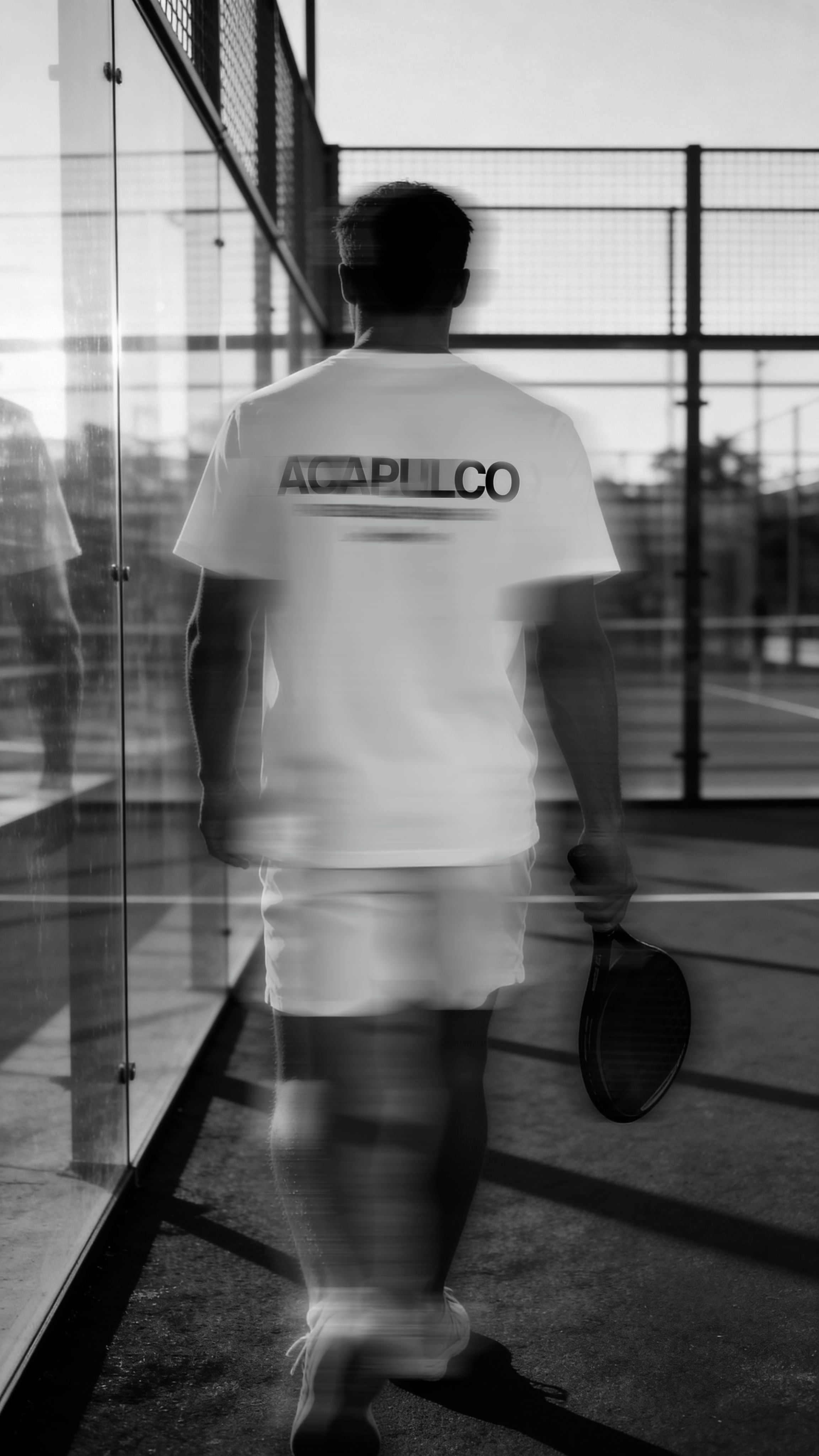
From Zero To Padel Hero In 30 Days
Understanding Padel: The Sport That's Revolutionising British Courts
Padel has emerged as Britain's fastest-growing racquet sport, captivating players with its unique blend of tennis precision and squash strategy. This exhilarating game, played on an enclosed court roughly one-third the size of a tennis court, demands quick reflexes, tactical acumen, and proper preparation.
The sport's accessibility makes it particularly appealing to newcomers. Unlike tennis, where powerful serves dominate, padel emphasises placement, teamwork, and clever shot construction. The glass walls and wire mesh surrounding the court become integral to gameplay, allowing for spectacular rebounds and extended rallies that keep spectators on the edge of their seats.
Understanding the fundamentals proves crucial for rapid improvement. The scoring system mirrors tennis, but the serving technique differs significantly—underarm only, with the ball bouncing once before contact. This seemingly simple adjustment creates a more inclusive environment where technique trumps raw power.
Essential Equipment for Your Padel Journey
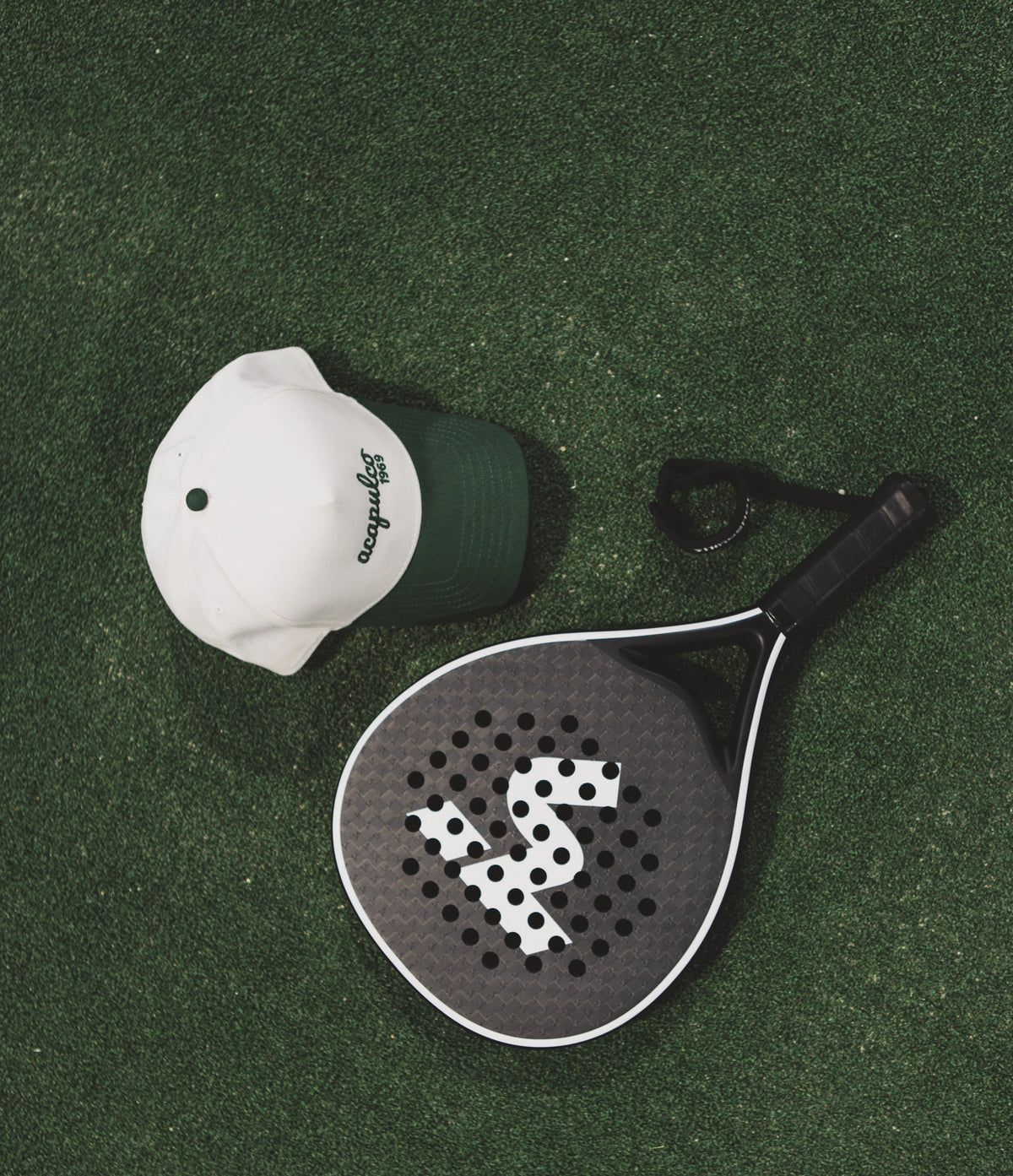
Selecting appropriate equipment forms the cornerstone of padel progression. The racquet, or pala, differs substantially from tennis racquets—it's solid, perforated, and roughly 18 inches long. Weight distribution and grip size directly impact your control and comfort during extended play sessions.
Choosing Your First Padel Racquet
For newcomers embarking on their padel odyssey, the Blackout 12K Carbon Padel Racket represents an exceptional choice that bridges beginner accessibility with advanced performance characteristics. This meticulously engineered racquet combines responsive carbon fibre construction with a forgiving sweet spot, enabling rapid skill development whilst maintaining the precision demanded by competitive play. The balanced weight distribution reduces fatigue during lengthy training sessions, whilst the superior grip technology ensures confident shot execution even under pressure.
The racquet's innovative design philosophy reflects British engineering excellence, delivering consistent performance across various playing conditions. Its intermediate-friendly specifications accommodate the natural learning curve whilst providing sufficient sophistication for advanced techniques as your game evolves.
Performance Apparel That Moves With You
Proper athletic wear significantly influences on-court performance and comfort. Padel demands frequent directional changes, explosive movements, and sustained concentration—requirements that generic sportswear often fails to address adequately.
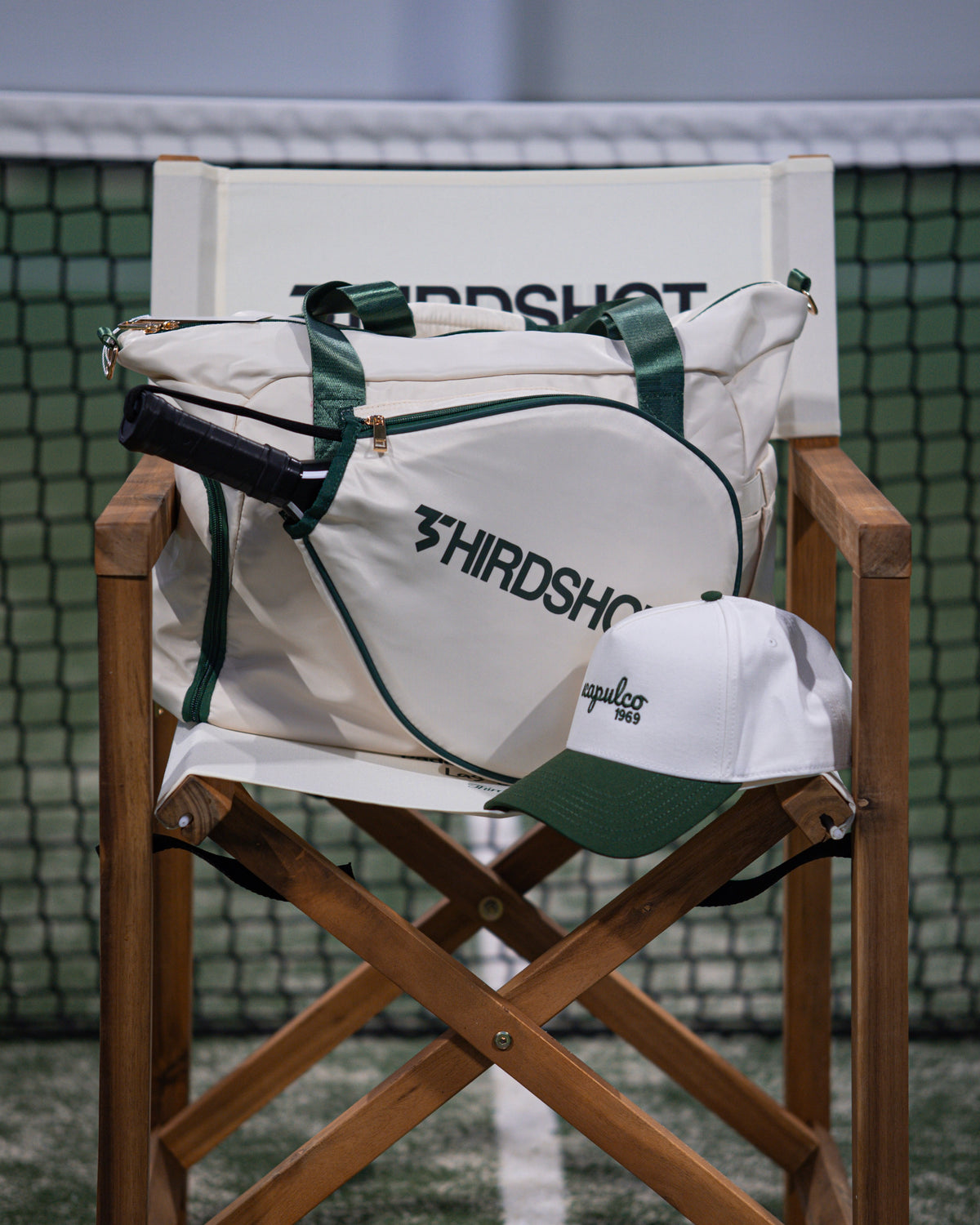
Third Shot UK's performance sportswear collection addresses these specific demands through thoughtfully designed garments that prioritise mobility, moisture management, and durability. Each piece undergoes rigorous testing by British athletes, ensuring real-world performance under competitive conditions. The collection's understated aesthetic reflects British sporting heritage whilst incorporating cutting-edge fabric technology that enhances rather than restricts natural movement.
From moisture-wicking shorts that prevent chafing during intensive rallies to breathable tops that regulate body temperature, every garment contributes to your developmental journey. Quality footwear with lateral support and non-marking soles completes your equipment arsenal.
Week 1-2: Mastering the Fundamentals
The initial fortnight focuses on developing muscle memory and spatial awareness. Begin each session with dynamic warm-ups that activate the kinetic chain—shoulder circles, hip rotations, and gentle racquet swings prepare your body for the movements ahead.
Practise the basic strokes methodically. The forehand drive requires a continental grip, low-to-high swing path, and follow-through towards your target. The backhand, often challenging for beginners, benefits from stepping into the shot whilst maintaining a firm wrist position.
"Consistency beats power in padel. Focus on placing the ball where you intend, and speed will naturally follow as your confidence grows."
Wall work becomes invaluable during this phase. Spend 20-30 minutes daily hitting against practice walls, alternating between forehand and backhand strokes. This repetitive practice develops the hand-eye coordination essential for advanced play.
Serving Technique and Strategy
The underarm serve initially feels awkward for tennis converts. Position yourself diagonally opposite your target service box, drop the ball beside your leading foot, and contact it below waist height. Aim for consistency over power—a reliable serve that lands deep in the service box provides tactical advantages.
Vary your serving pace and placement to keep opponents guessing. Cross-court serves to the backhand corner often prove effective, particularly against less experienced players who struggle with backhand returns.
Week 3-4: Developing Court Awareness and Positioning
Advanced padel revolves around positioning and anticipation rather than individual shot-making brilliance. Understanding court geometry and player positioning enables you to exploit tactical opportunities whilst minimising defensive vulnerabilities.
The optimal court position varies depending on the game situation. When your team controls the net, maintain aggressive positioning approximately two metres from the net, ready to volley aggressively or execute decisive smashes. Defensive positioning requires deeper court coverage, allowing time to retrieve opponent attacks and construct counter-attacking opportunities.
Communication and Teamwork Dynamics
Padel's doubles format demands constant communication with your partner. Establish clear calling conventions—"mine," "yours," or "help"—to avoid confusion during rapid exchanges. Discuss tactical approaches between points, identifying opponent weaknesses and adjusting your strategy accordingly.
Complementary positioning maximises court coverage whilst minimising gaps that opponents might exploit. When your partner moves forward, shift slightly towards the centre to cover potential down-the-line attacks. This synchronized movement creates defensive solidarity whilst maintaining attacking options.
Advanced Techniques and Tactical Mastery
Week four introduces sophisticated shot selection and tactical nuances that separate competent players from genuine competitors. The bajada, or defensive lob retrieval, transforms apparent winners into continued rallies. Practice this shot extensively, as opponents will target your defensive positioning with aggressive overhead attacks.
The vibora represents padel's signature attacking stroke—a slice-spin overhead that bounces awkwardly off the back wall, creating defensive difficulties for opponents. Master the grip adjustment and wrist action required for consistent execution.
Shot Selection and Court Reading
Developing superior court reading abilities accelerates your progression dramatically. Observe opponent positioning, anticipate their likely responses, and position yourself accordingly. Early recognition of attacking opportunities enables proactive rather than reactive gameplay.
| Situation | Optimal Shot | Tactical Objective |
|---|---|---|
| Opponent at net | Low, hard drive | Force defensive volley |
| Both opponents back | Short angle or drop shot | Bring them forward |
| High defensive lob | Controlled smash or vibora | Maintain pressure |
Mental Preparation and Match Strategy
Physical preparation represents only half the equation—mental resilience and strategic thinking determine competitive success. Develop pre-point routines that enhance concentration whilst managing competitive anxiety.
Visualisation techniques prove particularly effective in padel. Mental rehearsal of common scenarios—serving under pressure, defending aggressive attacks, or executing winning shots—builds confidence and improves decision-making during actual matches.
Common Pitfalls and Solutions
Most beginners attempt to hit winners from defensive positions, leading to unnecessary errors. Patience becomes paramount—build points methodically, wait for genuine opportunities, then strike decisively. Defensive shots should prioritise court position over immediate attack.
- Avoid overpowering shots from difficult positions
- Maintain consistent depth on groundstrokes
- Use the walls constructively rather than defensively
- Communicate continuously with your partner
- Develop reliable defensive shots before attempting advanced techniques
Frequently Asked Questions
How often should I train during my 30-day transformation?
Ideally, practice 4-5 times weekly, combining structured lessons with informal play sessions. This frequency allows skill consolidation whilst preventing overuse injuries common among enthusiastic beginners.
What's the most important skill to develop first?
Consistent ball control trumps powerful shots. Focus on reliable groundstrokes and basic positioning before attempting advanced techniques like the vibora or aggressive net play.
How do I find suitable playing partners and courts?
Local padel clubs often organise beginner groups and coaching sessions. Many facilities offer trial memberships, providing opportunities to assess court quality and community atmosphere before committing long-term.
Your 30-day padel transformation demands commitment, proper preparation, and strategic progression. With quality equipment, appropriate training methodology, and persistent practice, you'll develop from complete novice to confident competitor. The journey proves as rewarding as the destination—embrace the challenge, celebrate small victories, and prepare for a lifetime of padel enjoyment.